







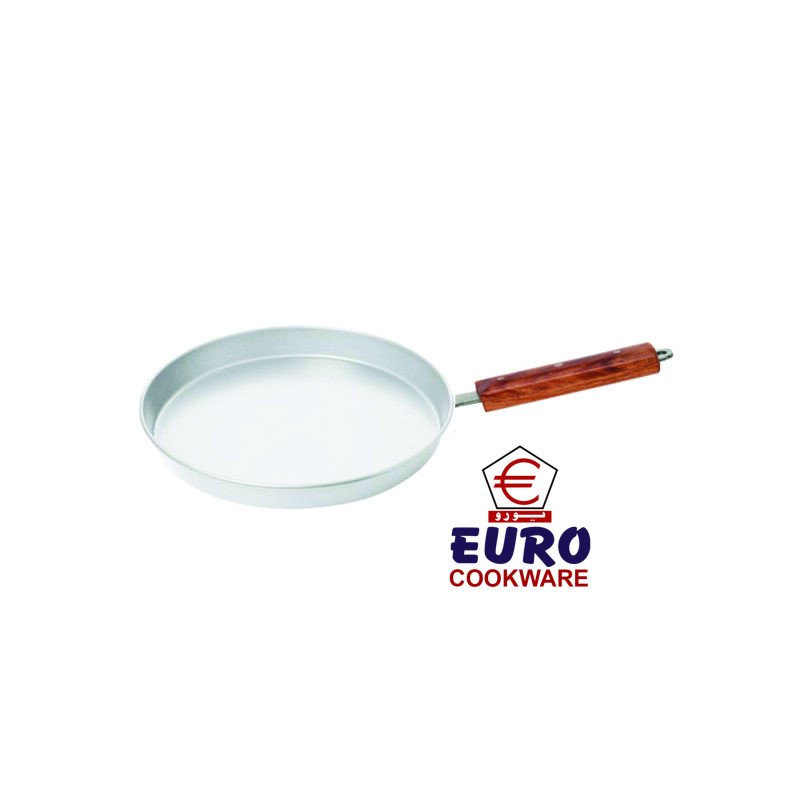


Non Stick Tawa Guide: 10 Cooking Tips, Cleaning Methods & Safe Daily Use

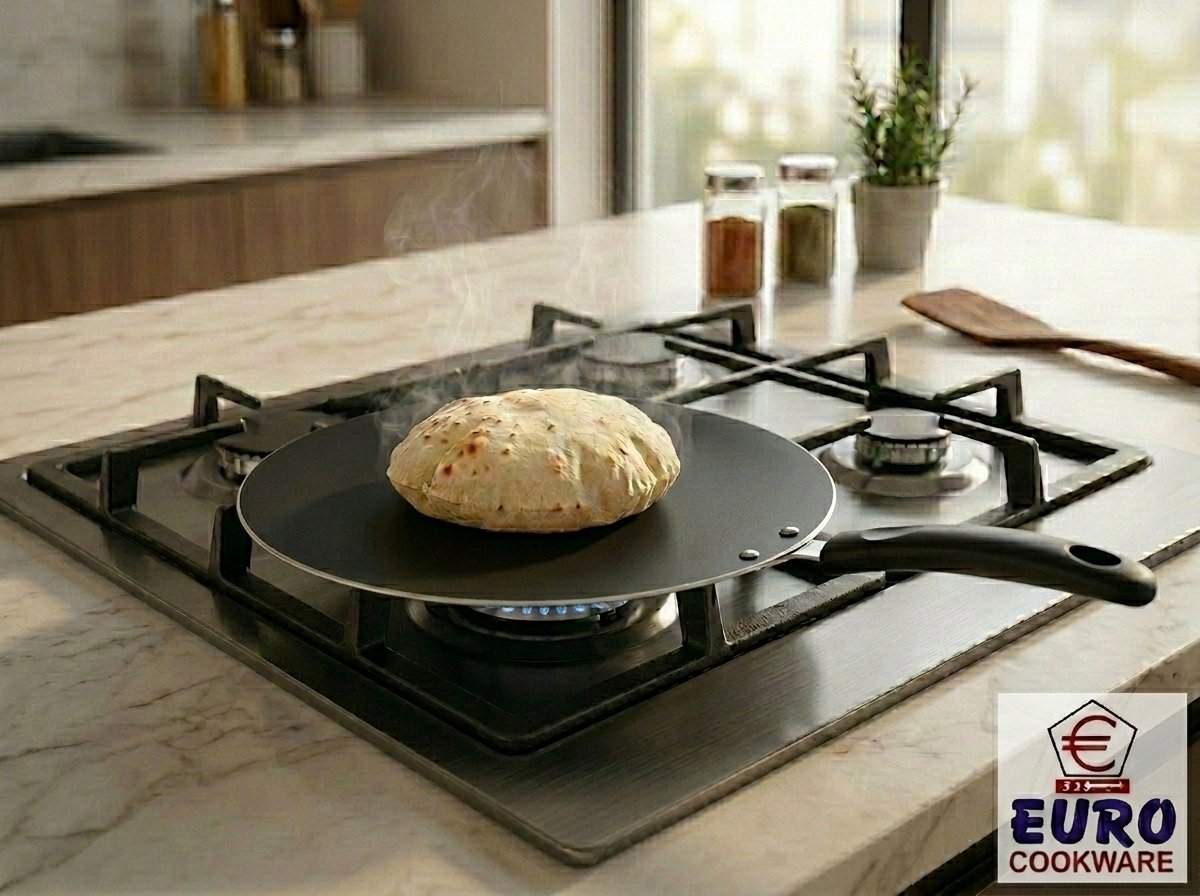
A non stick tawa is one of the most commonly used cookware items in modern kitchens. It helps cook roti, paratha, dosa, pancakes, omelettes, and many everyday meals with less oil and easier handling.
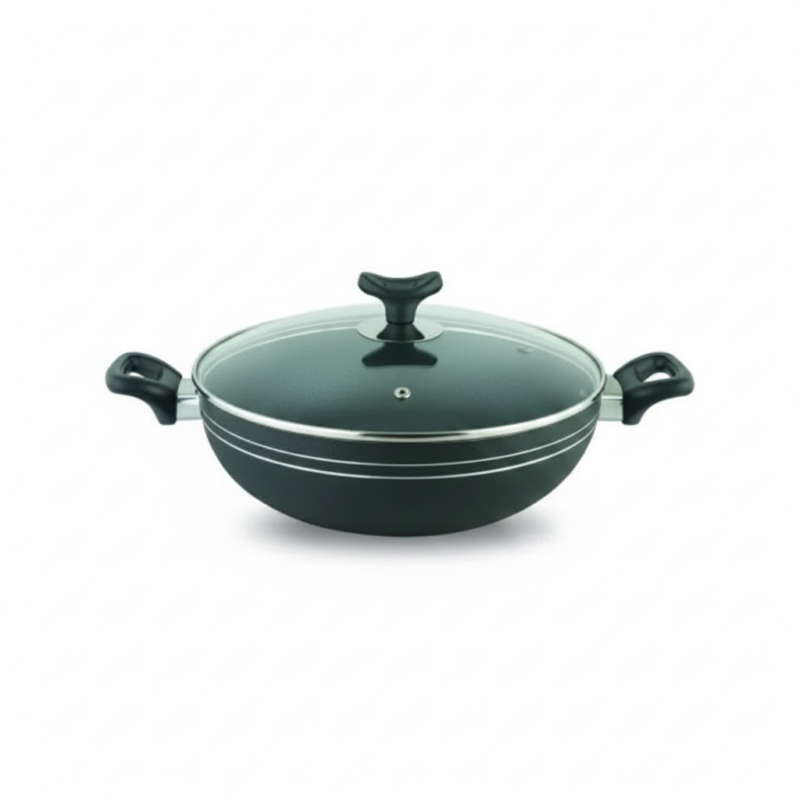
Many people buy a non stick tawa for convenience, but proper cooking methods and maintenance are important for long-term performance. Using the wrong heat level, cleaning tools, or cooking habits can damage the coating and reduce cooking quality. non stick tawa
This guide explains how to use a non stick tawa correctly, how to clean it safely, common mistakes to avoid, and practical tips for choosing the right option for daily cooking.
A non stick tawa has a coated cooking surface designed to reduce sticking during cooking. The smooth surface helps distribute food evenly and supports low-oil cooking methods.
Most households use a non stick tawa for:
- Roti
- Chapati
- Paratha
- Dosa
- Pancakes
- Eggs
- Toasting sandwiches
Compared with traditional iron cookware, a non stick tawa heats quickly and usually requires less oil. However, proper temperature control is important because excessive heat may damage the coating over time.
NON STICK TAWA COOKING METHODS
A non stick tawa works best when used on medium or low heat. High flame cooking can reduce coating life and affect cooking performance.
How to Make Roti on Non Stick Tawa
- Preheat the tawa for 1–2 minutes on medium heat.
- Place the rolled roti on the cooking surface.
- Flip once bubbles appear.
- Press lightly for even cooking.
- Avoid overheating an empty tawa.
This method supports even cooking while protecting the non stick coating.
Cooking Dosa on a Non Stick Tawa
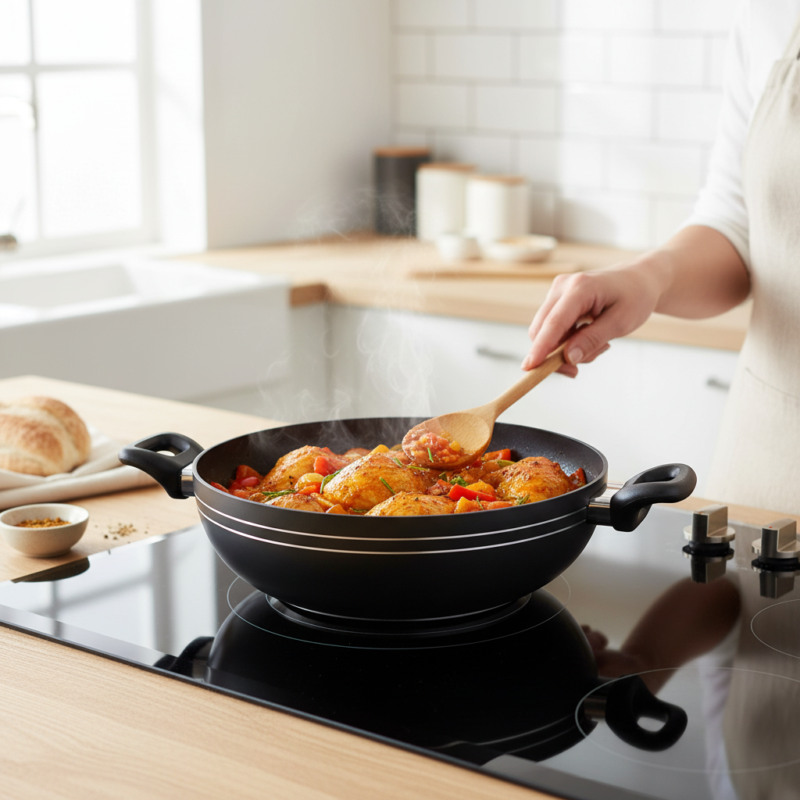
A non stick dosa tawa helps spread batter smoothly and reduces sticking problems. Always allow the tawa to warm evenly before pouring batter.
Use:
- Minimal oil
- Silicone or wooden spatulas
- Medium heat for crisp texture
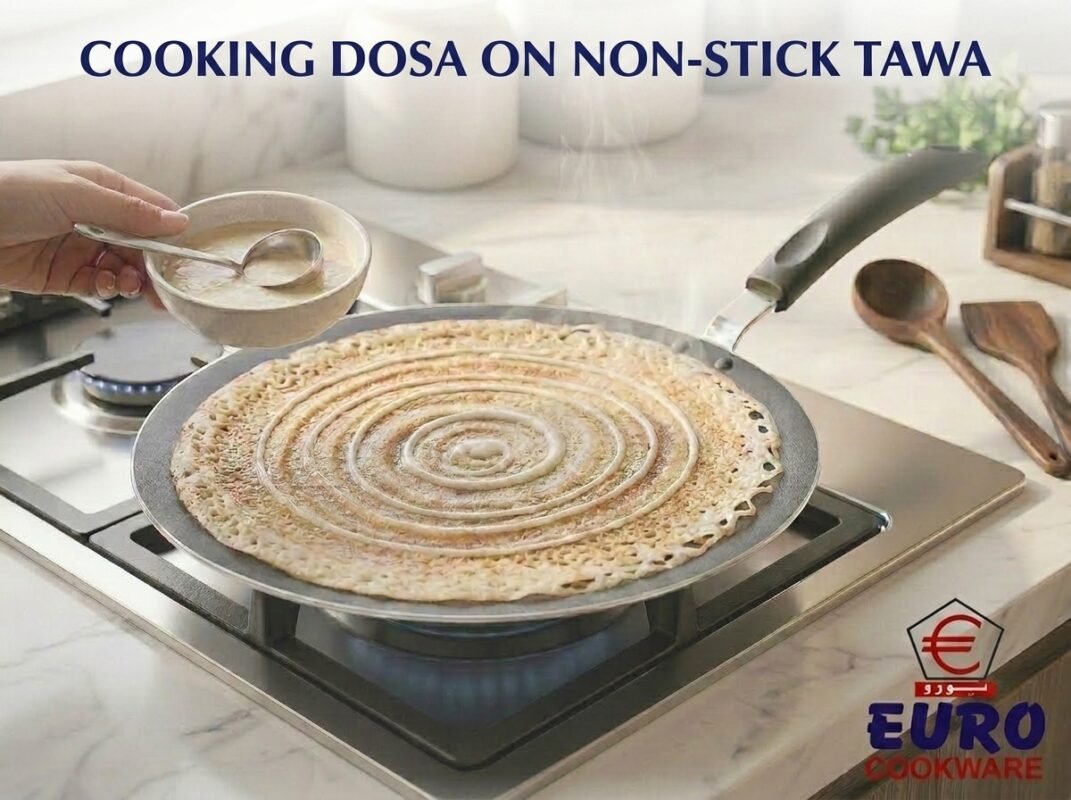
how to make roti on non stick tawa step by step
Many home cooks also prefer using a non stick tawa for quick breakfast preparation because cleanup is faster than traditional cookware.
For general food safety guidance related to cookware temperatures and cooking practices, refer to USDA Food Safety Guidelines
COMMON MISTAKES AND SAFETY
Improper use is one of the main reasons a non stick tawa loses performance quickly.
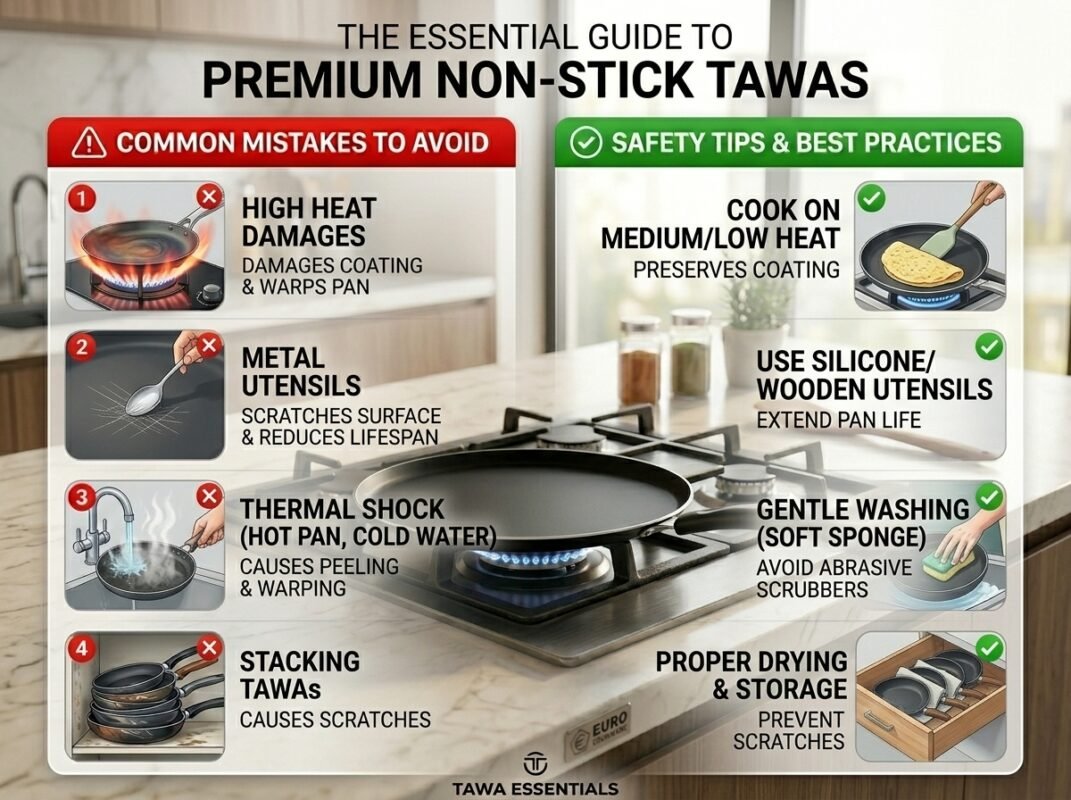
Common Mistakes
Using High Heat
Very high temperatures can weaken the coating and reduce durability.
Using Metal Utensils
Sharp metal spoons or spatulas may scratch the surface.
Washing a Hot Tawa Immediately
Sudden temperature changes can affect the cookware surface.
Storing Without Protection
Stacking cookware directly may create scratches.
Non Stick Tawa Safety Tips
- Use medium heat for daily cooking
- Avoid empty heating for long periods
- Wash with soft sponges only
- Dry completely before storage
- Replace damaged cookware if coating peels heavily
non stick tawa cleaning infographic
PRACTICAL COOKING TIPS
How to Clean Non Stick Tawa
Proper cleaning improves cookware lifespan.
Daily Cleaning Method
- Let the tawa cool fully
- Use warm water and mild soap
- Clean using a soft sponge
- Dry before storing
How to Clean Non Stick Tawa with Vinegar
Mix warm water with a small amount of vinegar to remove light oil residue.
How to Clean Non Stick Tawa with Baking Soda
A mild baking soda paste may help remove stubborn stains without aggressive scrubbing.
Non Stick Tawa vs Iron Tawa
| Feature | Non Stick Tawa | Iron Tawa |
|---|---|---|
| Oil Usage | Lower | Moderate |
| Maintenance | Easier | Requires seasoning |
| Heating Speed | Faster | Slower |
| Weight | Lightweight | Heavier |
| Cleaning | Simple | More effort |
A non stick tawa is usually better for quick daily cooking, while iron cookware may suit high-heat traditional cooking methods.
Harvard Health also explains the importance of balanced cooking methods and healthier meal preparation techniques at Harvard Health Nutrition Advice
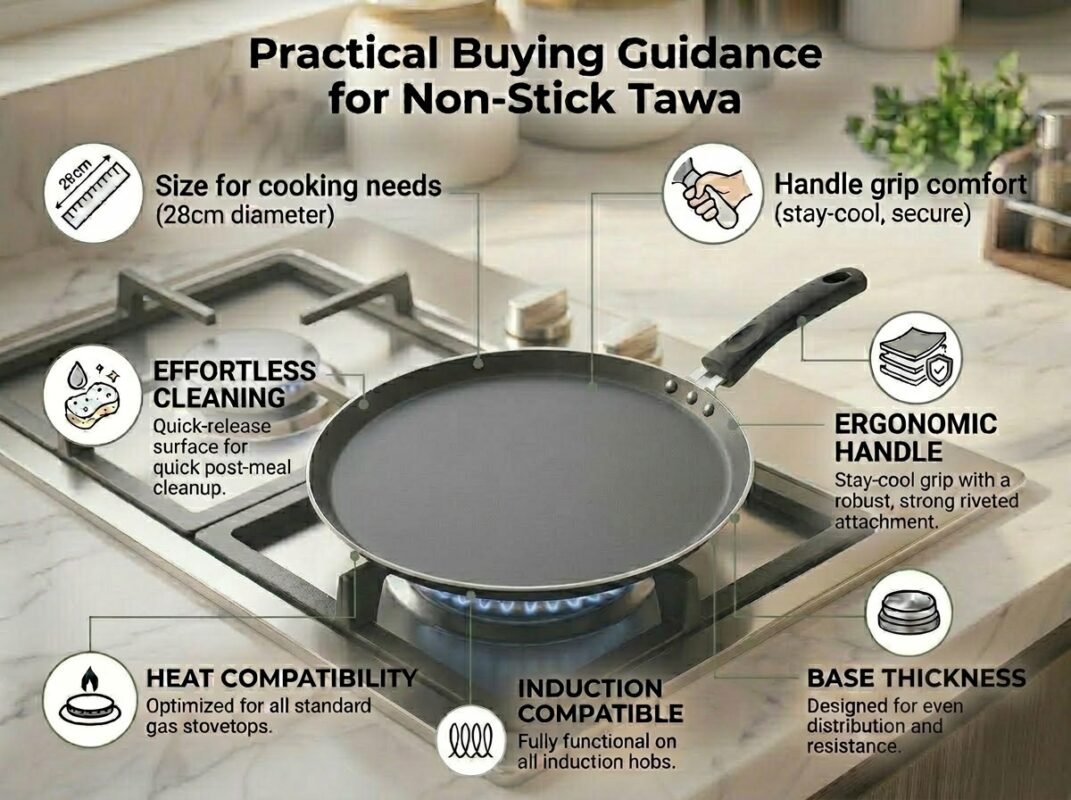
PRACTICAL BUYING GUIDANCE
When selecting a non stick tawa, consider:
- Size for family cooking needs
- Handle grip comfort
- Base thickness
- Heat compatibility
- Coating durability
- Cleaning convenience
Many buyers searching for the best non stick tawa price in Pakistan also compare weight, surface finish, and long-term maintenance requirements before purchasing.
non stick tawa
SOFT STORE RECOMMENDATION
If you are exploring reliable cookware options for daily Pakistani cooking, the Euro Cookware Non Stick Tawa offers a practical design suitable for roti, paratha, and breakfast cooking routines.
This guide also connects with our complete collection of Non Stick Tawa or broader cookware solutions.
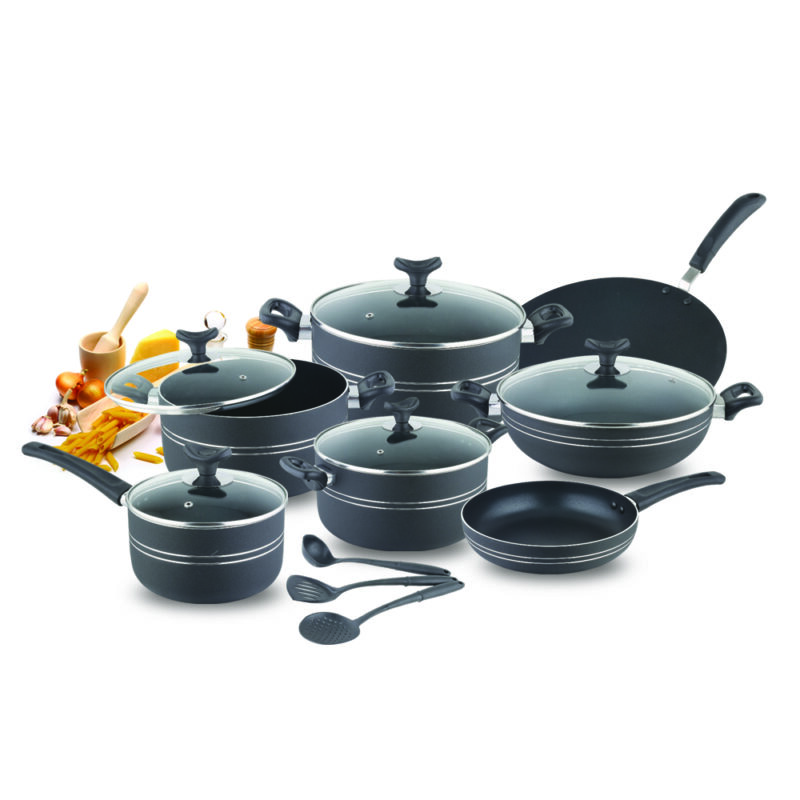
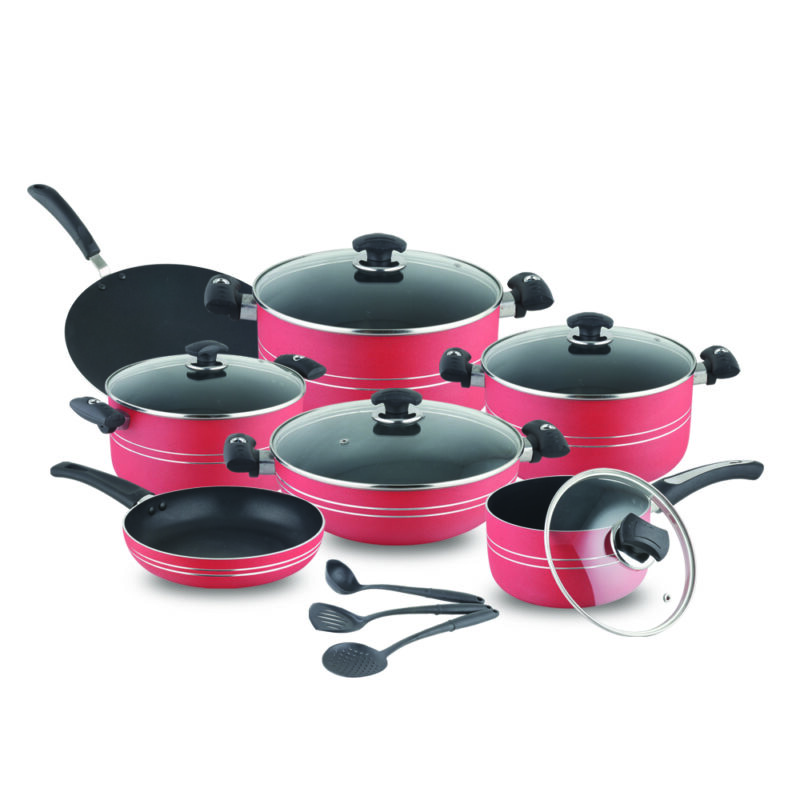
Inside many modern kitchens, users also pair a non stick tawa with matching cookware sets for more consistent daily meal preparation.